Listen


 Facebook
 Nextdoor
 X
 WhatsApp
 Email
 Copy link

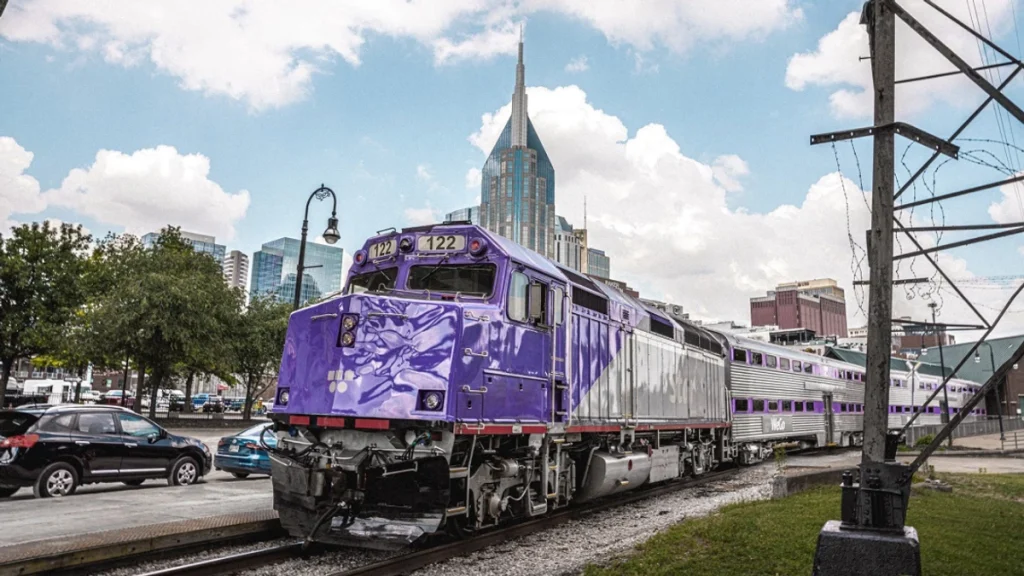
Nashville’s WeGo bus system is running a $407,000 daily operating shortfall before taxpayer subsidies, Fox 17 reported Monday.
The gap adds up to nearly $149 million a year, according to Fox 17’s review of WeGo’s financial reports. The shortfall comes as Davidson County taxpayers deal with rising property tax bills and inflation, Fox 17 reported.
Metro Nashville finance officials told Fox 17 this is a tight budget year. Metro billed about $2.18 billion in property taxes, Fox 17 reported.
Some routes average six riders an hour
WeGo runs more than 35 bus routes across Nashville and Davidson County, Fox 17 reported. This year, $79.5 million in general fund support is going to WeGo. That’s separate from revenue from Nashville’s voter-approved sales tax increase, according to Fox 17.
Routes serving Bellevue, Thompson-Wedgewood and Midtown average about six riders per hour, Fox 17 reported. That works out to one passenger every 10 minutes.
Emily Evans, a former Metro councilwoman and Wall Street financial analyst, said the spending competes with other city needs.
“Which means it’s not going to other things, or I think the public would be more interested in seeing it back in their pocket instead of in their property tax bill,” Evans told Fox 17.
Evans said she sees a case for buses downtown but questions citywide coverage.
“When you start trying to accommodate all 500 square miles of Davidson County, you’re stretching your resources instead of concentrating them in a place where you have demonstrated need,” Evans said.
WeGo says ridership is the highest in a decade
WeGo Deputy CEO Amanda Vandegrift told Fox 17 the agency reviews routes twice a year. It makes changes based on performance.
“We have someone on staff who thinks about that every single day,” Vandegrift said, according to Fox 17.
Vandegrift said ridership is stronger than it has been in more than 10 years. But fare collections tell a different story, Fox 17 reported.
Over the latest three-month period, ridership rose 20% while fare collections dropped 50%, Fox 17 reported. Sales tax help for WeGo climbed 55% year over year. General fund support rose 10%, according to Fox 17’s review.
Fox 17 reported that 39% of WeGo rides now use the Journey Pass. The pass lets qualifying riders travel without paying a fare themselves.
Vandegrift said the increased spending follows the financial plan behind Nashville’s voter-approved Choose How You Move transportation program. The program included a dedicated sales tax increase.
“The transportation improvement program had a very specific financial plan put forward, approved by the State Comptroller,” Vandegrift told Fox 17. “It made assumptions around how we would do this plan, and we have been following that plan for the past two years.”
Vandegrift said the growth shows service expansion voters approved by a wide margin, Fox 17 reported.
Middle-class families feel the squeeze, critic says
Evans told Fox 17 she worries most about Nashville’s middle class. She said families already face high costs for housing, education and property taxes.
“The lack of empathy and the out-and-out hostility towards the middle class, Nashvilleans just trying to educate their kids, get to soccer practice, pay for a car, is disconcerting and shocking,” Evans said.
Vandegrift said the bus system helps residents who struggle with money. Many had no reliable way to get around before the investment.
“We have to think about Nashvillians today who voted for this measure, who are struggling to put food on the table, who before we did some of this investment didn’t have a good way to get around Nashville,” Vandegrift told Fox 17. “Now they have an affordable option.”
WeGo continues to adjust routes twice a year. This follows the financial plan tied to the Choose How You Move program, Fox 17 reported.